Use code NEW15 and save 15% Sitewide.

Cookies
We use cookies for analytics to understand how the site is used and to improve it. See our privacy policy.
Peptide Education
A peptide sitting in a vial is not chemically inert. Three ordinary reactions — oxidation, deamidation, and hydrolysis — account for most of what changes in a stored sample, and each one leaves a signature you can predict from sequence alone. This explainer walks through the mechanism behind each pathway, the amino acid motifs that flag a molecule as vulnerable, and the environmental variables that decide how fast any of it happens.
Peptide Education
A certificate of analysis says a peptide is 98% pure by HPLC — but what does that number actually describe? This guide walks through how reversed-phase HPLC separates a peptide from its impurities, how the chromatogram becomes a purity percentage, and where the method's assumptions run out.
Peptide Education
Peptides rarely run in a straight line — they fold back on themselves at tight four-residue features called beta turns. Two amino acids, proline and glycine, show up at those corners far more than chance predicts. This explainer walks through what a beta turn is, why each residue fits, and how chemists use the same logic to design peptides on purpose.
Peptide Education
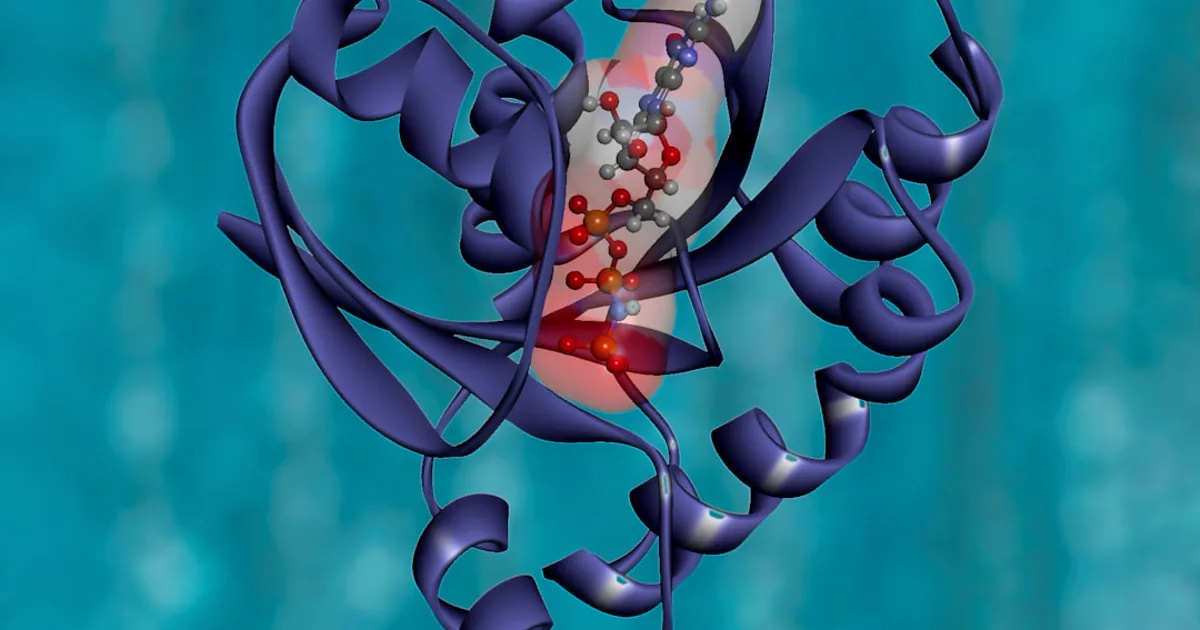
Gonadorelin is the synthetic version of gonadotropin-releasing hormone, built from just ten amino acids. This overview walks through its decapeptide sequence, the terminal caps that protect it, the beta-turn shape that lets it fit its target, and the unusual class A GPCR — a receptor missing the tail most GPCRs carry — that it binds.
Peptide Education
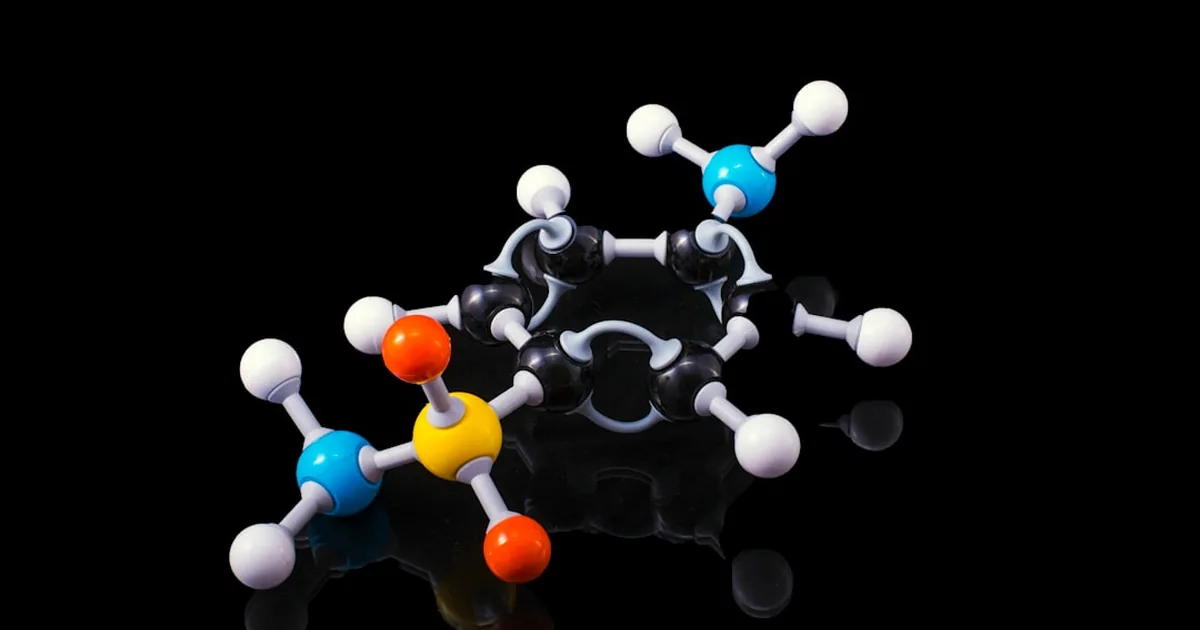
Humanin is a rare peptide read out of the mitochondrion's own genome rather than the cell nucleus. This explainer walks through its 24-residue sequence, its three-turn alpha-helix, the potent S14G research analog, and how its compact structure maps onto the receptors and intracellular partners researchers study it against.
Peptide Education
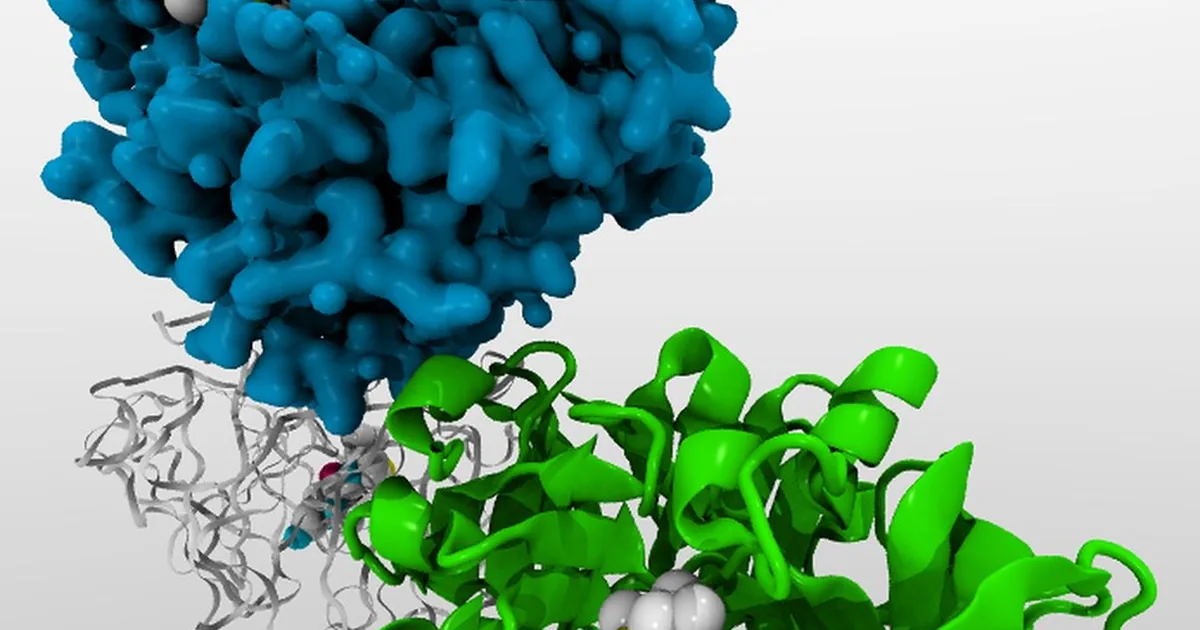
Kisspeptin-10 is only ten amino acids long, yet researchers treat it as the active core of a much larger signaling system. This explainer walks through its sequence, where it comes from, the amidated tail that does the real work, its short helix, and the KISS1R receptor it was built to recognize.
Peptide Education
Every peptide and protein is a chain held together by one repeating link. This explainer walks through the peptide bond at the chemistry level — how it forms by condensation, why resonance locks it flat, the difference between its cis and trans faces, and why a single bond can sit in water for centuries without breaking.
Peptide Education
Chemists can write any peptide sequence on paper, but the machinery that builds them runs out of steam after a few dozen residues. Native chemical ligation is the reaction that gets around that limit, joining separately made fragments into one long, native chain. Here is how it works, why it needs a cysteine, and how researchers stitch three or more pieces together.
Peptide Education
Synthetic peptides are assembled one amino acid at a time on a tiny resin bead. This step-by-step guide walks through solid-phase peptide synthesis the way it actually runs in the lab — the Fmoc protecting-group logic, the repeating deprotection-and-coupling loop, and the final cleavage that frees the finished chain.
Peptide Education
A label can claim a vial holds a specific peptide, but proving it takes more than weighing the molecule. Here's how mass spectrometry reads a peptide's sequence — from ionization to fragment ladders to database matching — and why researchers trust convergence over any single number.
Peptide Education
The endotoxin line on a certificate of analysis is one of the most misread numbers in research peptides. It is not a purity score and not a sterility check. Here is what the LAL test actually measures, how a result becomes a number in Endotoxin Units, why a clean-looking batch can still fail, and where the method is heading with recombinant Factor C.
Peptide Education
Two peptide vials can look identical on the bench and behave completely differently in solvent. Dissolution is sequence chemistry, not a fixed recipe. This guide walks through the molecular logic of peptide solubility, when pure water suffices, when to reach for DMSO or fluorinated alcohols, how the isoelectric point governs precipitation, and the common laboratory mistakes that spoil a solubilization attempt.
Peptide Education
When a peptide paper says 'Western blot confirmed' or '98% purity by HPLC,' what is the methods section really pointing to? This article walks through the standard in-vitro toolkit researchers use on peptides — from identity and purity testing to cell-culture readouts to gene-expression assays — and shows how to read those sections without overclaiming what they prove.
Peptide Education
A peptide label that says 99% purity does not promise an absolute mass fraction or guarantee identity. It reports one number from one method — an HPLC area percent measured at a fixed wavelength. Here is what the figure is actually measuring, what the missing 1-5% typically contains, and how to read the rest of the certificate of analysis so the percentage means what you think it means.
Peptide Education
A practical, citation-backed guide to keeping research peptides chemically intact: why the lyophilized form is the stable form, the temperature targets that show up in the peer-reviewed literature, how freeze-thaw exposure damages material, and the bench-side handling habits that decide whether a vial is still the same molecule a year after it arrives.
Peptide Education
Open a vial of research-grade peptide and you find a small white cake instead of a liquid. That choice of physical form isn't arbitrary. This explainer walks through what lyophilization is, the three process stages, why dry solid form preserves the molecule better than solution, what the powder is actually made of, and how to read what you see in the vial when it arrives.
Peptide Education
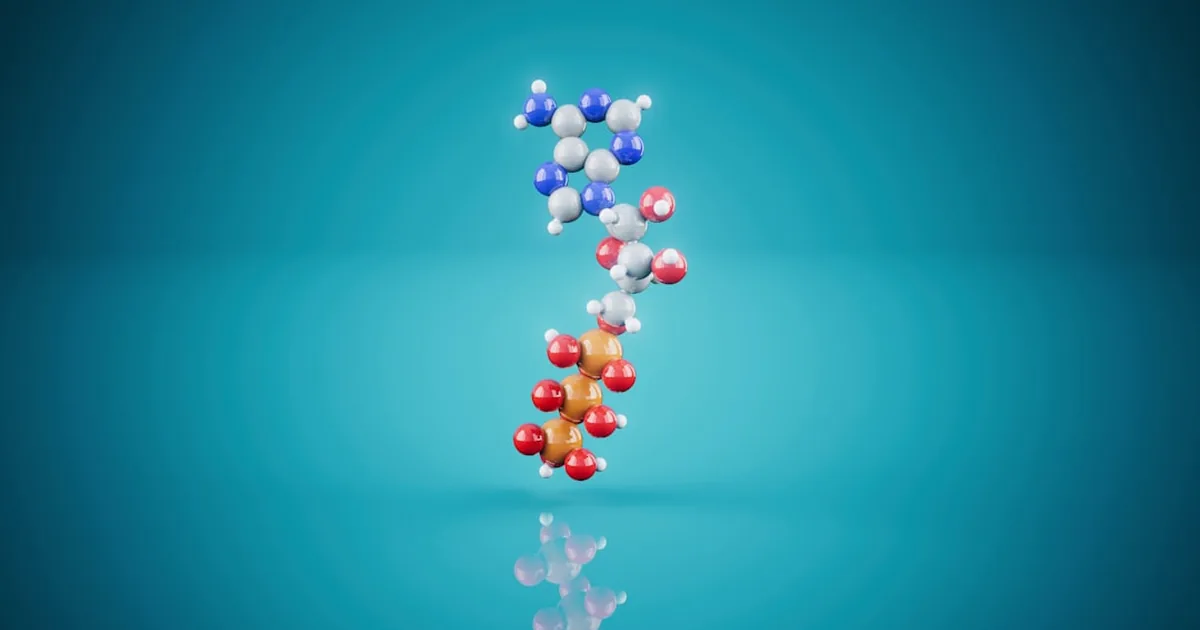
If you have ever wondered how a vial of a research-grade peptide actually comes into being, this is a plain-language tour: anchored amino acids on tiny beads, a four-step coupling round repeated until the chain is finished, then cleavage, HPLC purification, and a certificate of analysis that maps neatly back to every step in the process.
Peptide Education
Peptides have become a major topic in bodybuilding for muscle growth and recovery. Here’s a clear breakdown of what’s being used and why it matters.
Peptide Education
Peptides occupy a nuanced space in U.S. law — legal to buy and possess for research, but tightly regulated when it comes to how they're marketed and used. Understanding that distinction is what separates a compliant purchase from a risky one. This guide breaks down exactly where the legal lines are drawn in 2026.