Use code NEW15 and save 15% Sitewide.

Cookies
We use cookies for analytics to understand how the site is used and to improve it. See our privacy policy.
Research & Science
The small white plug at the bottom of a peptide vial is not just packaging — it is a physical record of the drying run that produced it. Some of what you see is meaningful signal about process control, and some is ordinary cosmetic variation that says nothing at all. This guide walks through what a lyophilized cake is, what published acceptance criteria actually require, how collapse and meltback differ, what residual moisture numbers mean, and where visual inspection stops being reliable.
Research & Science
A vial of lyophilized peptide is never pure peptide. Part of the powder is trifluoroacetate left over from synthesis, and part is water the solid pulls from the air. This explainer covers where the TFA counterion comes from, why freeze-dried peptides are hygroscopic, how humidity drives counterion loss and pH drift, and how laboratories measure and manage both.
Peptide Guides
A lyophilized peptide that refuses to dissolve can stall an experiment, and the wrong solvent can quietly change the molecule. This guide explains how laboratories read a sequence's net charge and hydrophobicity to choose between dilute acetic acid, DMSO, and ammonium bicarbonate, what each solvent does chemically, where each one introduces risk, and how to protect the peptide once it is in solution.
Research & Science
A clear vial left under bench lights can change chemically without any visible sign. For many peptides, the residue most exposed to that risk is tryptophan, whose indole ring absorbs ultraviolet light and funnels the energy into oxidation. This explainer covers the photochemistry, the products tryptophan turns into, which wavelengths matter, why dry material behaves differently from solutions, and how laboratories detect and limit photodegradation.
Research & Science
A shelf-life figure on a certificate of analysis is rarely the result of anyone watching material sit on a shelf for three years. It is almost always a prediction, built by measuring how fast a peptide degrades at elevated temperatures and extrapolating down to storage conditions. This explainer walks through the Arrhenius equation that makes that extrapolation possible, the degradation chemistry it is really tracking, how an accelerated stability study is designed, and the specific conditions under which the prediction stops being trustworthy.
Peptide Education
A peptide sitting in a vial is not chemically inert. Three ordinary reactions — oxidation, deamidation, and hydrolysis — account for most of what changes in a stored sample, and each one leaves a signature you can predict from sequence alone. This explainer walks through the mechanism behind each pathway, the amino acid motifs that flag a molecule as vulnerable, and the environmental variables that decide how fast any of it happens.

Research & Science
A clear peptide solution can still be nearly empty, because most of the material has bound to the inside wall of the container. Borosilicate glass and polypropylene lose peptide by two different mechanisms, and the size of the loss depends on concentration, volume and vessel choice far more than most researchers expect. Here is what the published recovery data actually shows, how bovine serum albumin works as a sacrificial blocking agent, and where a carrier protein is the wrong tool for the job.
Research & Science
A frozen vial looks identical on the way out as it did on the way in, which is exactly what makes freeze-thaw stability hard to reason about. Repeated freezing and thawing is not one stress but at least four running at once, each acting on a different part of the molecule. This guide walks through cryoconcentration, the phosphate buffer pH crash, interfacial unfolding, and the chemical damage that rides along with all of it.
Research & Science
Defensins are ancient antimicrobial peptides of innate immunity, sorted into three structural classes — alpha, beta and theta. The dividing line is disulfide connectivity: which of six conserved cysteines bond to which. Here is how the alpha/beta/theta split works, where each class is made, and why researchers keep studying them.
Research & Science
Substance P, neurokinin A and neurokinin B look like three separate messengers, but they belong to one family united by a single chemical ending. This explainer walks through the shared FxGLM motif, the three neurokinin receptors and their binding preferences, how the receptors switch on, and why this system is one of the most studied in neuropeptide research.

Research & Science
The 'thymic peptide family' is one of the most confusingly named groups in peptide research — a handful of structurally unrelated molecules that share a birthplace rather than a backbone. This research-focused explainer walks through the sequences of thymosin alpha 1, thymulin, and thymopoietin, and shows why understanding their structures is the key to reading the literature correctly.
Research & Science
Dozens of neuropeptides that look unrelated turn out to share one short chemical ending. This overview walks through the RFamide peptide family—the Arg-Phe-NH2 motif that defines it, the five groups that make it up, the receptors they signal through, and why the family draws so much research interest.
Research & Science
The cell membrane is built to keep large molecules out, yet a family of short peptides slips right through it. Researchers organize these cell-penetrating peptides into three classes by their chemistry: cationic, amphipathic, and hydrophobic. Here is what separates the classes, how each engages the membrane, and why the distinction matters in the laboratory.

Research & Science
Some of the smallest bioactive peptides ever studied are only two to four amino acids long — yet the Khavinson bioregulators became the origin of the idea that short peptides can talk directly to genes. Here is what defines the class, where it came from, and what cell-culture research has actually shown.
Research & Science
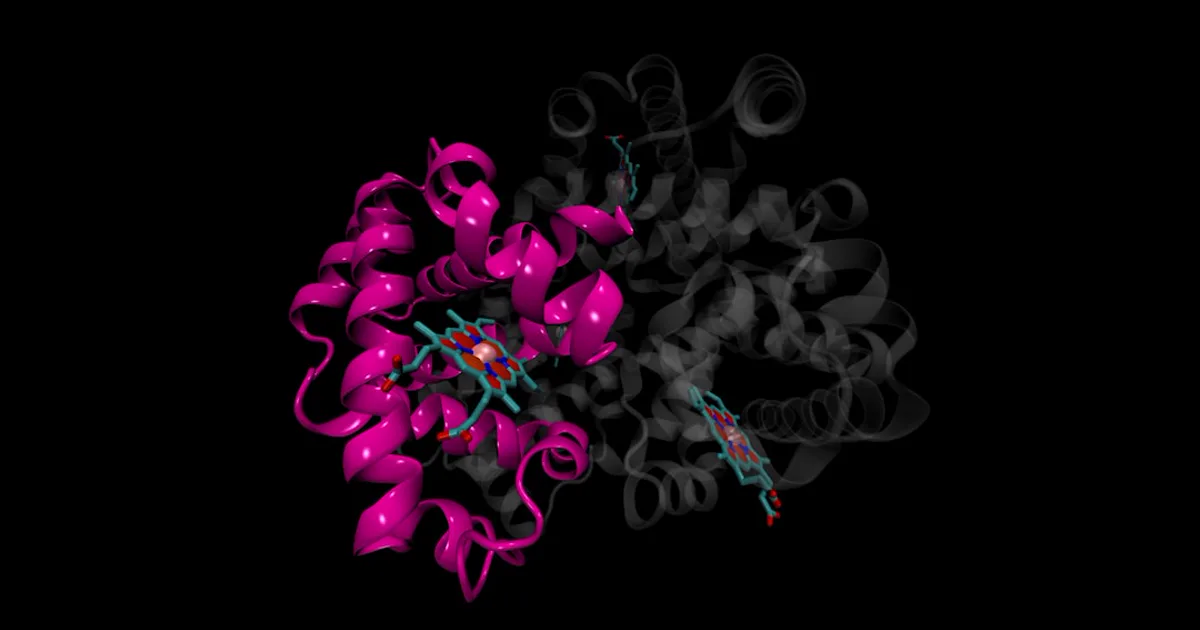
The mitochondrion was long taught to make only 13 proteins. Then a hidden layer of tiny signaling peptides turned up in the same DNA. This research-focused explainer covers the mitochondrial-derived peptide class — humanin, MOTS-c and the six SHLPs — how they are encoded, what cell and animal studies show, and why longevity and metabolism researchers are paying attention.
Research & Science
The body makes its own opioid signaling molecules. This research-focused explainer walks through the three classical opioid peptide families — enkephalins, endorphins, and dynorphins — the precursor genes they come from, the four-residue message they share, and the G-protein-coupled receptors they engage.
Research & Science
Somatostatin analogs are small cyclic peptides built from a single conserved β-turn, yet they read the five somatostatin receptors very differently. This explainer walks through the cyclic architecture, the SSTR1-5 subtypes, and the handful of residues that decide which receptor an analog prefers.
Research & Science
The natriuretic peptide family has three members — ANP, BNP, and CNP — each built from its own gene yet sharing a single chemical language: cyclic GMP. This research explainer walks through the three peptides, the three receptors that read them, the guanylyl-cyclase switch they trigger, and why one small nucleotide messenger draws so much attention across cardiovascular, renal, and bone-growth research.
Research & Science
From frog skin to human immune cells, antimicrobial peptides are nature's membrane-targeting defense molecules. This explainer walks through the four structural classes they fall into, the cationic amphipathic design they share, and the classical and emerging models for how they disrupt a microbial membrane.
Research & Science
A whole family of research compounds — GHRP-6, ipamorelin, MK-677 — share one mechanism: they prompt the body to release its own growth hormone by imitating ghrelin at the GHS-R1a receptor. Here is what unites the growth hormone secretagogue class, what splits it, and what research models actually show.
Research & Science
Every endogenous melanocortin peptide carries the same four-residue key — the HFRW motif — yet the five receptors it opens do wildly different jobs, from pigmentation to appetite. This explainer walks through what HFRW is, how it binds, the MC1R-MC5R lineup, and how researchers turn the structure into selective synthetic analogs.
Research & Science
The incretin class has just two members — GLP-1 and GIP — yet these two gut peptides sit behind an entire generation of research compounds. This explainer walks through where each peptide comes from, how their structures differ, the class B receptors they dock into, and why their built-in fragility shapes everything researchers build next.

Research & Science
Saturation and competition binding assays can look almost identical at the bench, yet they answer different questions. One measures a labeled ligand's own affinity and how many binding sites exist; the other ranks how well other compounds compete for the same site. Here is how the two research designs differ, how the Cheng-Prusoff equation connects them, and when a lab reaches for each.
Research & Science
A receptor firing inside a cell is invisible. Reporter gene assays convert that event into light you can put a number on. Here is how the method works in vitro, which reporters and response elements labs use, and how a raw luminescence reading becomes a potency value researchers can compare across compounds.
Peptide Education
A certificate of analysis says a peptide is 98% pure by HPLC — but what does that number actually describe? This guide walks through how reversed-phase HPLC separates a peptide from its impurities, how the chromatogram becomes a purity percentage, and where the method's assumptions run out.
Research & Science
Fluorescence polarization turns an invisible binding event into a clean signal by watching how fast a fluorescent tag tumbles. This explainer walks through the physics, what the millipolarization number means, how a competition assay reads IC50, and how the method compares to SPR and radioligand binding in research settings.
Research & Science
IC50 and EC50 are two of the most-quoted numbers in a lab assay, and two of the most easily confused. Both mark the halfway point on a sigmoidal concentration-response curve, but one summarizes inhibition and the other summarizes stimulation. This explainer walks through what each number measures, how it is fitted from the curve, why an IC50 shifts between labs, and how to read a single potency figure without over-reading it.
Research & Science
The western blot is the workhorse behind countless claims that a protein went up or down. This plain-English guide walks through the principle step by step — how proteins are separated by size, transferred to a membrane, and detected by antibodies in vitro — and how to read a blot honestly.
Research & Science
Receptor activation is invisible until calcium makes it flash. This explainer walks through how calcium flux assays and the FLIPR plate reader turn a receptor switching on into a bright, time-resolved fluorescence trace — covering the dye chemistry, the instrument optics, the G-protein tricks that widen the assay to most GPCRs, and where the readout fits alongside binding and other functional assays in in-vitro receptor research.
Research & Science
The scratch assay is one of the simplest, cheapest ways to watch cells move. Researchers open a gap in a confluent cell layer and track how fast it closes — a visual, quantifiable model of directional cell migration used across in-vitro research.
Research & Science
The MTT assay has been a default way to answer a simple in-vitro question: are these cells still alive and metabolizing? This guide walks through the chemistry, the step-by-step protocol, how a viability percentage and IC50 are read, and the limitations every result should be interpreted against.
Research & Science
Kd, Ki, Bmax, IC50 — the numbers that describe how tightly a compound binds a receptor all come from radioligand binding assays. This guide explains what each value means and how saturation, competition, and kinetic experiments measure them in vitro.
Research & Science
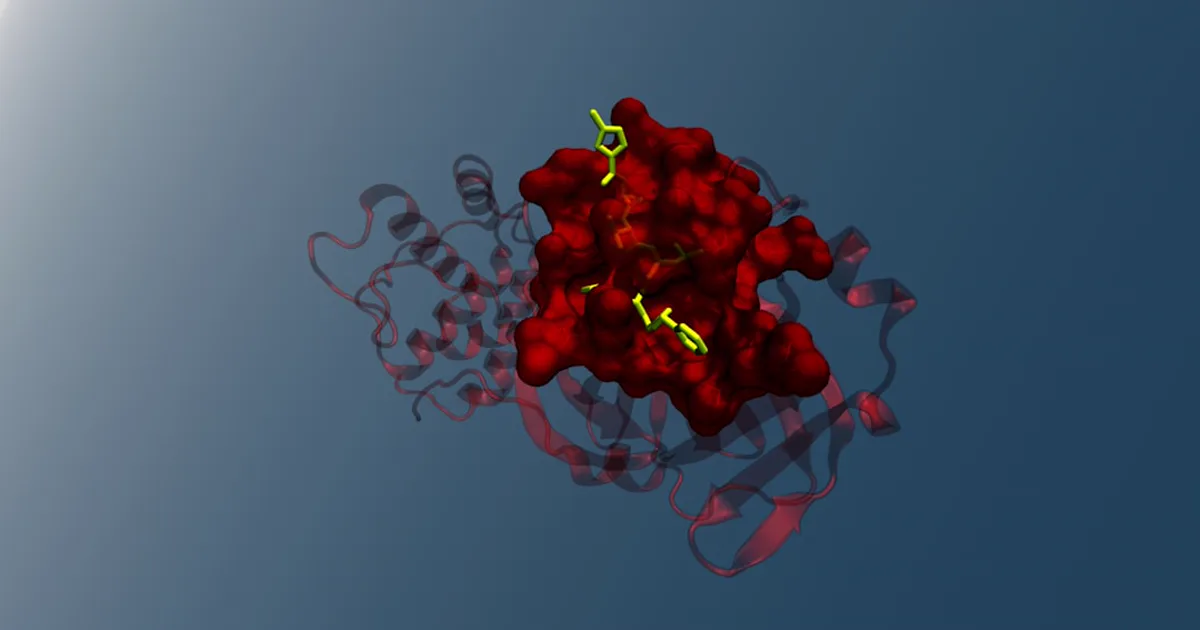
A beta-arrestin recruitment assay is how researchers watch a G protein-coupled receptor switch off and re-route its signal. This guide explains the BRET method behind it — the proximity principle, how the tagged constructs are built, how enhanced bystander BRET tracks trafficking, and why the assay has become central to studying biased agonism.
Research & Science
When a receptor on a cell catches its ligand, how does a lab actually see it happen? One of the most common answers is to count cAMP. This explainer walks through the cAMP accumulation assay — why cyclic AMP reports GPCR activity, why Gs and Gi receptors need different experimental designs, how the competitive immunoassay works, and how to read the data without fooling yourself.
Research & Science
Surface plasmon resonance lets researchers watch a peptide bind its target in real time, with no tags attached. This guide explains what the sensorgram shows, how association and dissociation rate constants combine into the KD affinity value, and why how you attach the peptide to the chip decides whether the numbers can be trusted.
Research & Science
A peptide vial says 10 mg — but how does a lab confirm how much peptide is actually in solution? ELISA is one of the oldest, most trusted answers. This explainer walks through what the assay is, the four formats, how a colour change turns into a concentration, and why short peptides are trickier to quantify than proteins.
Research & Science
Circular dichroism is one of the fastest ways to see how a peptide folds in solution. This guide explains what CD measures, the far-UV fingerprints of alpha-helix and beta-sheet, how software turns a spectrum into secondary-structure percentages, and where CD sits next to crystallography and NMR.
Peptide Education
Peptides rarely run in a straight line — they fold back on themselves at tight four-residue features called beta turns. Two amino acids, proline and glycine, show up at those corners far more than chance predicts. This explainer walks through what a beta turn is, why each residue fits, and how chemists use the same logic to design peptides on purpose.
Research & Science
PEGylation bolts an inert polymer onto a peptide and quietly rewrites how the body handles it — slowing clearance, boosting solubility, and shielding it from enzymes. Here's the chemistry behind those changes, and the trade-offs researchers weigh when they choose where PEG attaches, how big it is, and what linker holds it on.
Research & Science
Two peptides can share the exact same amino-acid sequence and still behave differently in the lab — often because of the very last group on the chain. This explainer walks through what C-terminal amidation is, how cells make it, and how the amide terminus changes a peptide's charge, secondary structure, and stability compared with the free-acid form.
Research & Science
A single flipped stereocenter turns a peptide into a different molecule. This explainer walks through the two coupling-step routes to peptide racemization, the aspartimide trap unique to aspartic acid and asparagine, which residues fail first, and the chemistry researchers use to keep synthesis clean.
Research & Science
A peptide can sit quietly in solution or self-assemble into ordered amyloid fibrils. This explainer walks through the chemistry of that switch: the cross-beta framework, the non-covalent forces that hold fibrils together, nucleation-dependent kinetics, and why some sequences aggregate while others stay soluble.
Research & Science
Every peptide has a measurable pull toward oily surfaces, and reversed-phase HPLC turns that pull into a number on a chart. This explainer walks through what peptide hydrophobicity is, how RP-HPLC separates by it, how sequence maps to retention time, and where the simple additive picture breaks down.
Peptide Guides
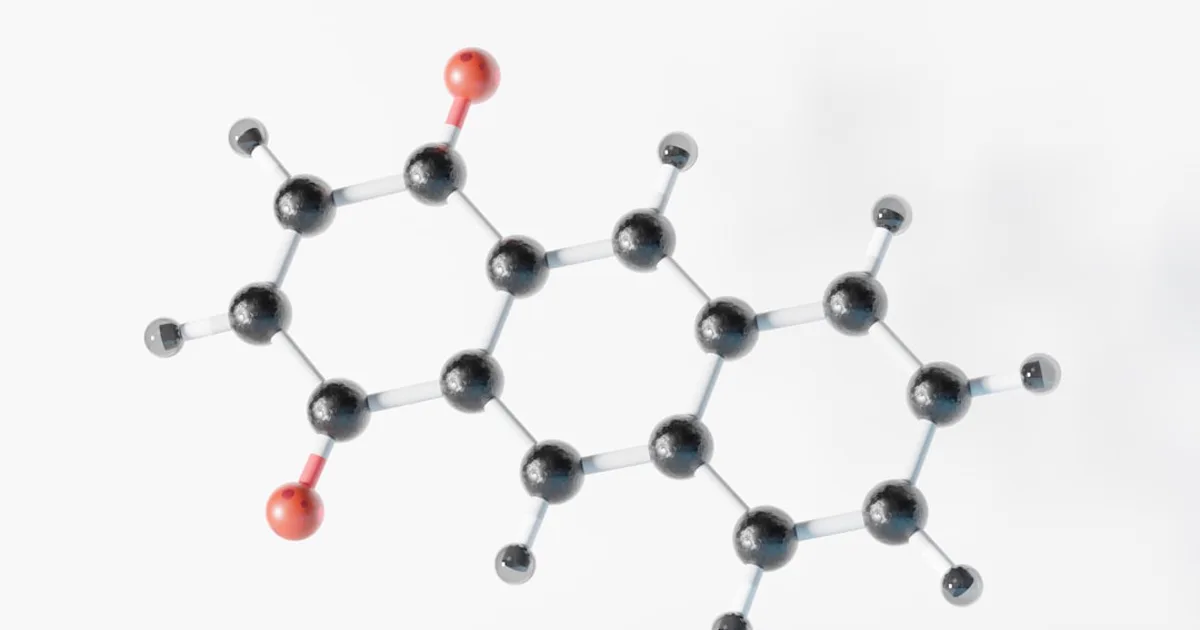
Charge is one of the first things you need to know about a peptide, and a single number captures it: the isoelectric point. This guide explains what pI means, which parts of a peptide set it, how to calculate it by hand for a simple case, and how to find it for any real sequence using free tools.
Research & Science
Two peptides can share an identical sequence on paper yet behave nothing alike, because one is built left-handed and the other right-handed. This explainer walks through what D- and L-amino acid chirality is, why it decides how long a peptide survives enzymatic attack, how a mirror-image backbone resists proteases, and the design trade-offs researchers weigh when they reach for D-amino acids.
Research & Science
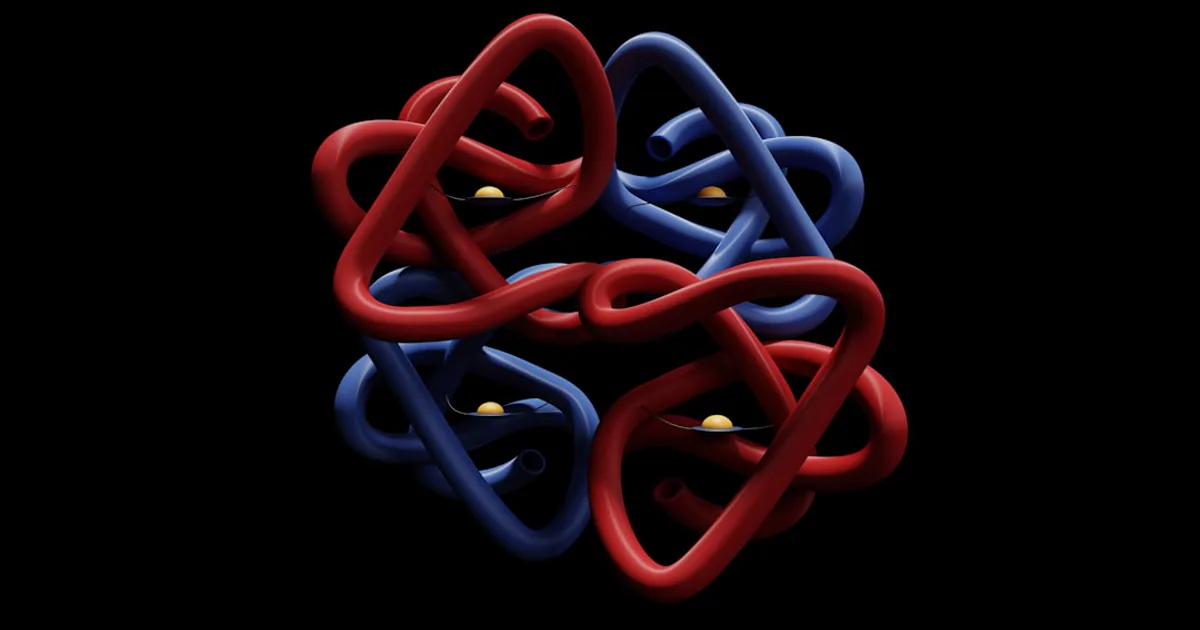
A short peptide cut from a protein usually won't hold its helical shape in solution. Stapled peptides solve this with a small covalent brace — a hydrocarbon staple — that locks the alpha-helix in place, making the peptide sturdier, more cell-permeable, and better at gripping its target in laboratory research.
Research & Science
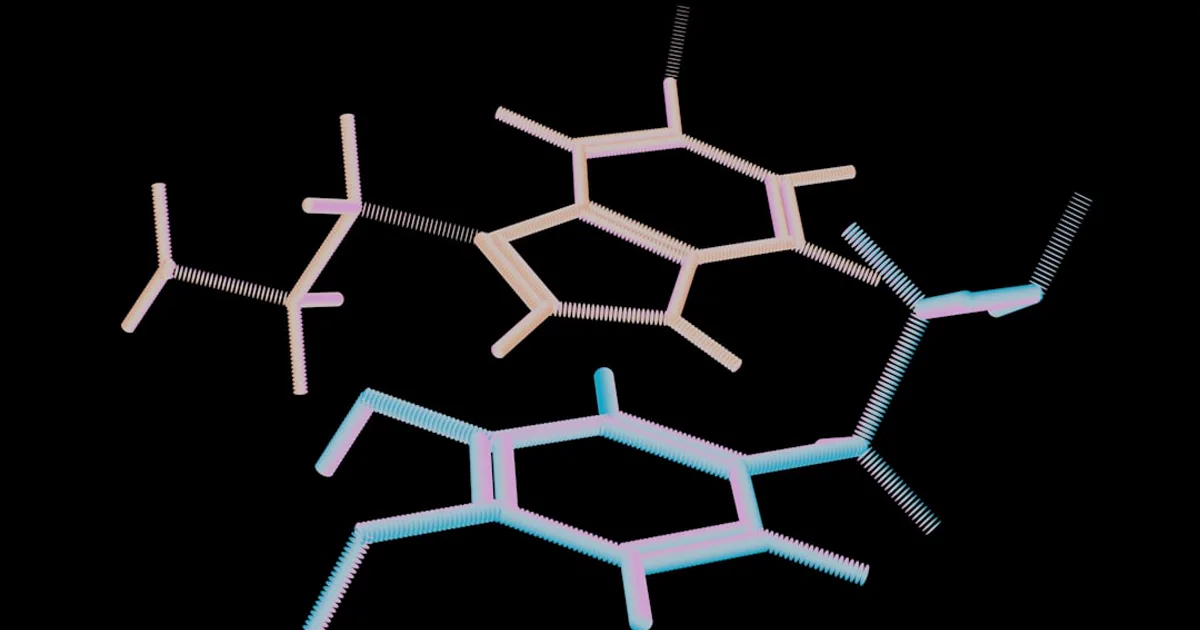
Two peptides can share the same amino acid sequence and behave nothing alike — the difference is whether the chain is closed into a ring. This explainer walks through what conformational flexibility costs a linear peptide, how cyclization imposes rigidity, and what that rigidity buys, and costs, in binding affinity and stability.
Research & Science
Cysteine is the only standard amino acid whose side chain can covalently link to another residue's side chain. That single bond-forming ability shapes whole families of peptides. Here is how disulfide bonds form, how they lock a peptide into a defined fold, and why the exact cysteine bridge connectivity matters so much to researchers.
Research & Science
Thymulin is a nine-residue thymic peptide that only becomes active when it couples to a single zinc ion. This research-use-only explainer walks through its amino acid sequence, the chemistry of how zinc binds, and why the metal — not the peptide alone — defines the molecule's shape and activity.
Research & Science
Larazotide (AT-1001) is a synthetic octapeptide with the sequence GGVLVQPG, borrowed from a cholera-toxin fragment and studied as a zonulin antagonist that keeps intestinal tight junctions assembled. Here is how its eight-residue structure reads, where it came from, and how researchers describe its mechanism.
Research & Science
SNAP-8's name is a clue to its chemistry: it's an eight-residue peptide modeled on the neuron protein SNAP-25. This plain-English explainer walks through the acetyl octapeptide-3 sequence, the SNARE complex it mimics, and how it differs from the closely related hexapeptide Argireline.

Research & Science
Adipotide bolts two molecular machines into one chain: a disulfide-cyclized CKGGRAKDC homing motif that finds adipose-tissue blood vessels, and a D-amino-acid D(KLAKLAK)2 effector that acts only once inside a cell. Here's how the chemistry of this research-only peptidomimetic fits together, residue by residue.
Peptide Education
Gonadorelin is the synthetic version of gonadotropin-releasing hormone, built from just ten amino acids. This overview walks through its decapeptide sequence, the terminal caps that protect it, the beta-turn shape that lets it fit its target, and the unusual class A GPCR — a receptor missing the tail most GPCRs carry — that it binds.
Research & Science
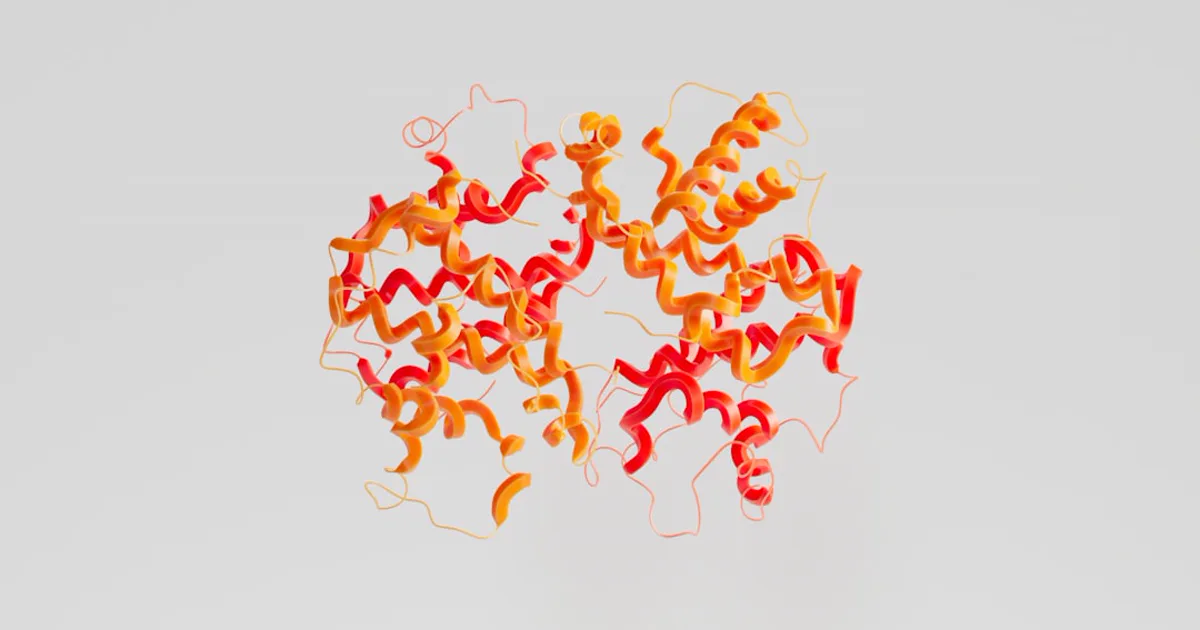
Hexarelin is a six-residue GHRP-6 analog with a story bigger than its size. Beyond the ghrelin receptor, it binds the scavenger receptor CD36 at a site researchers mapped down to a single contact residue. Here is the chemistry — sequence, receptors, binding site, and the shape and aromatic features that drive it.
Peptide Education
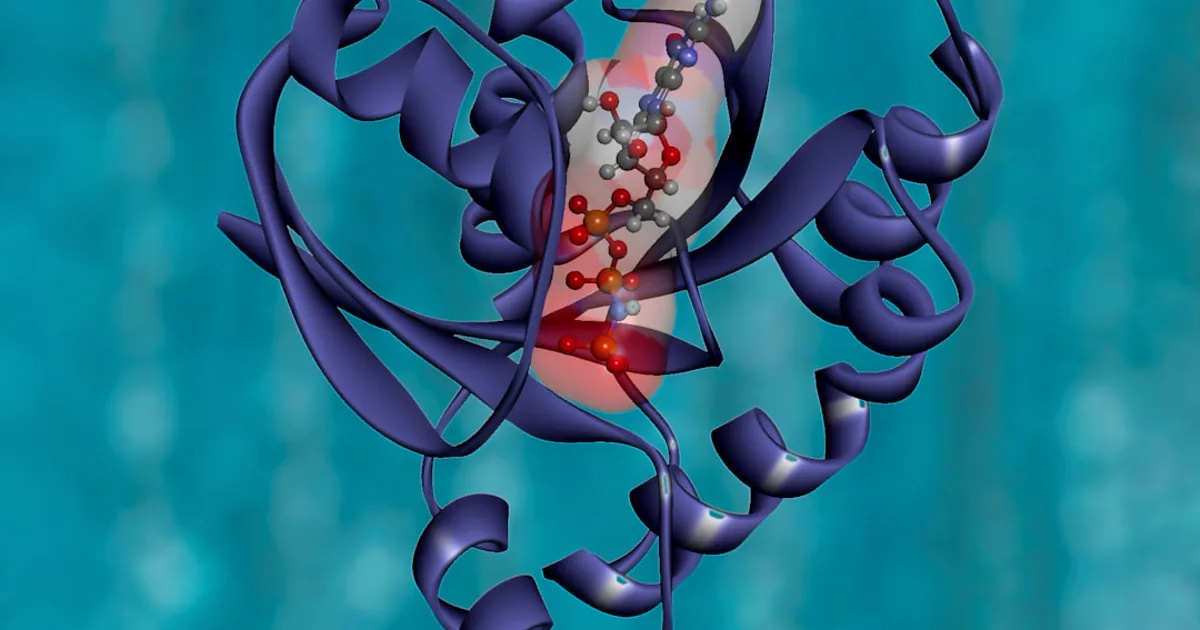
Humanin is a rare peptide read out of the mitochondrion's own genome rather than the cell nucleus. This explainer walks through its 24-residue sequence, its three-turn alpha-helix, the potent S14G research analog, and how its compact structure maps onto the receptors and intracellular partners researchers study it against.
Research & Science
"Follistatin 344" names the precursor that becomes the circulating FS-315 isoform. This explainer walks through follistatin's five-domain build, how one short acidic tail switches it between soluble and cell-surface behavior, and how two copies encircle a TGF-beta ligand to cover both receptor-binding sites at once.
Research & Science
FOXO4-DRI is one of the most-studied senolytic peptides in research, and almost everything it does traces back to how it's built. We break down the D-retro-inverso design, the TAT delivery tag, and why the peptide targets an intrinsically disordered stretch of p53.
Research & Science
KPV is the three-residue tail of alpha-MSH, and it has become a favorite tool in NF-kB assay research. This explainer walks through what the peptide is, how a cell-culture NF-kB assay reads out, and what published studies have observed about the way KPV quiets inflammatory signaling.
Research & Science
Dihexa (PNB-0408) is a small, metabolically stabilized peptide engineered from angiotensin IV. This explainer breaks down its structure, the Nle-Tyr-Ile origin, and how cell-culture research shows it potentiating — not directly activating — the HGF/c-Met signaling system.
Research & Science
Semax is a seven-residue peptide built by trimming a natural hormone fragment and capping it with a Pro-Gly-Pro tail. This explainer walks through the MEHFPGP sequence, its ACTH(4-10) origin, why that C-terminal edit was made, and what research has observed about how the molecule behaves and breaks down.
Legal & Compliance
Every trustworthy peptide vial stands on a spec sheet — and that spec sheet traces back to one international guideline. ICH Q6B defines what identity, purity, and potency actually mean for proteins and polypeptides. This explainer unpacks the framework, its universal and specific tests, and why it shapes quality thinking even for research-grade material.
Research & Science
Melanotan II is one of the clearest examples of a peptide chemist refusing to leave a sequence linear. This research-focused explainer traces how a single lactam bridge between aspartate and lysine turns a floppy alpha-MSH analog into a constrained ring — and why that ring binds melanocortin receptors more tightly than its open-chain cousins.
Peptide Education
Kisspeptin-10 is only ten amino acids long, yet researchers treat it as the active core of a much larger signaling system. This explainer walks through its sequence, where it comes from, the amidated tail that does the real work, its short helix, and the KISS1R receptor it was built to recognize.
Research & Science
Research & Science
A receptor flooded with the same signal doesn't keep shouting — it learns to whisper. Here is how GPCRs turn down their own response through GRK phosphorylation, beta-arrestin recruitment, and receptor internalization, and why adaptation plays out across three different timescales.
Research & Science
A single G protein-coupled receptor can send two very different messages depending on which ligand binds it. This explainer walks through functional selectivity, the G protein and beta-arrestin arms, the phosphorylation barcode, and how researchers actually measure bias.
Research & Science
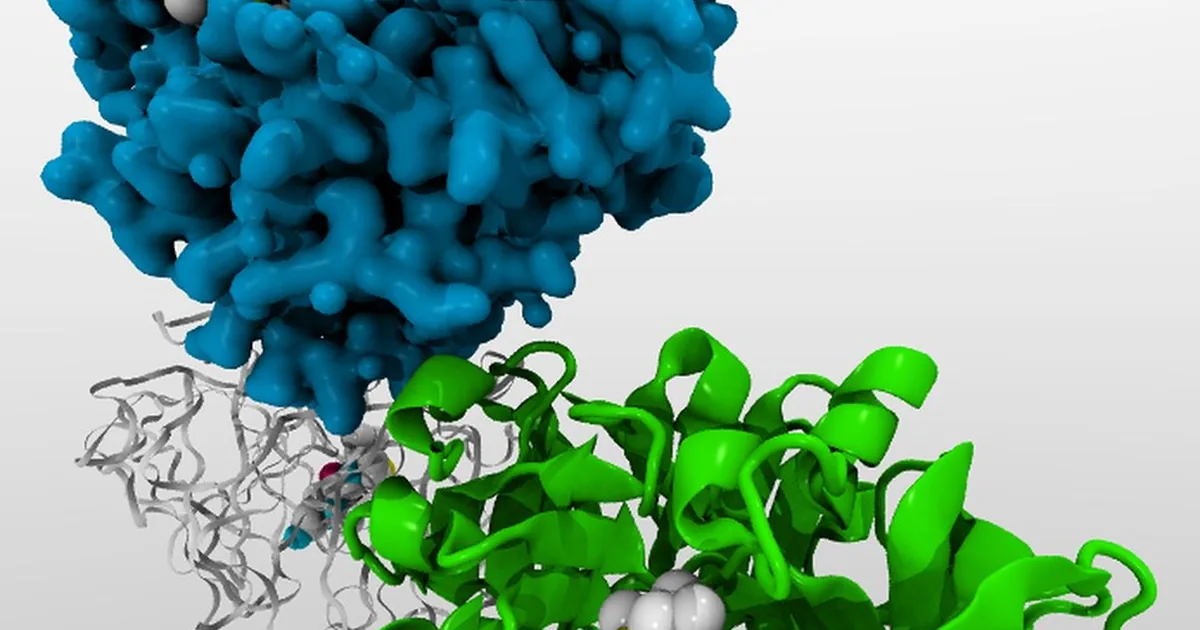
Receptors aren't simple one-keyhole locks. A molecule can act at the orthosteric site — the main pocket where the natural signal binds — or at a separate allosteric site that tunes the receptor's response. Here's how the two mechanisms differ, why allosteric modulators have a built-in ceiling, and how researchers tell them apart in the lab.
Peptide Education
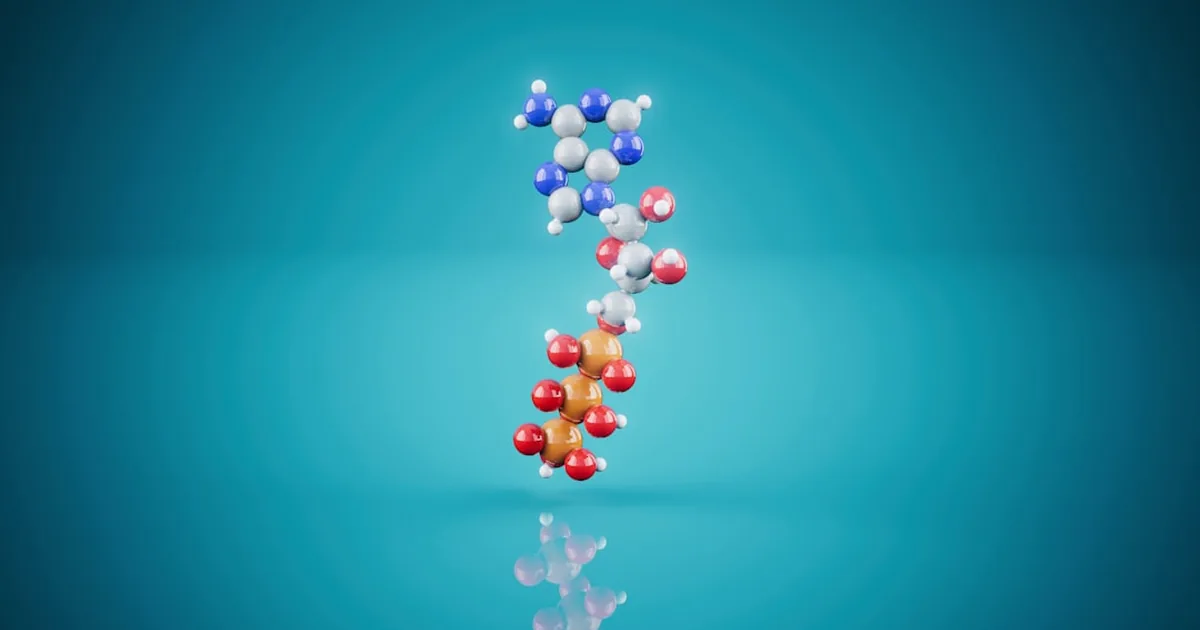
Every peptide and protein is a chain held together by one repeating link. This explainer walks through the peptide bond at the chemistry level — how it forms by condensation, why resonance locks it flat, the difference between its cis and trans faces, and why a single bond can sit in water for centuries without breaking.
Research & Science
On paper, peptoids and peptides look almost identical — same backbone spacing, same kind of chain. The difference is where a single side chain attaches. Move it from the alpha-carbon to the backbone nitrogen and you change the amide type, erase a stereocenter, rewrite how the molecule folds, and make it far harder for proteases to cut. This explainer walks through that one move and everything that follows from it.
Peptide Education
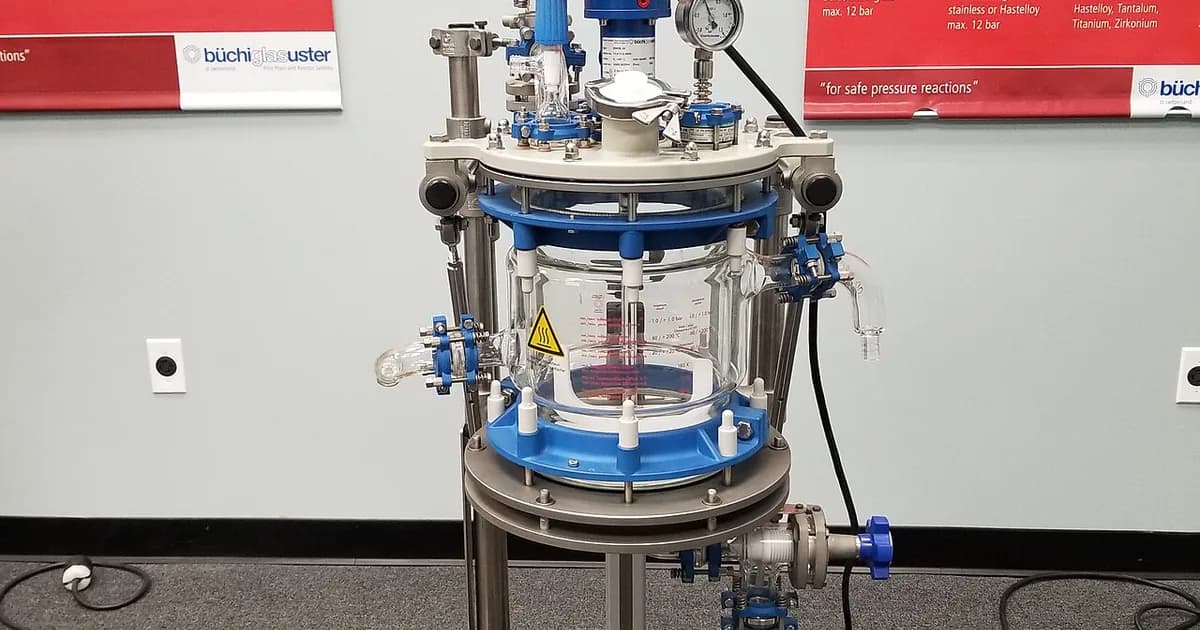
Chemists can write any peptide sequence on paper, but the machinery that builds them runs out of steam after a few dozen residues. Native chemical ligation is the reaction that gets around that limit, joining separately made fragments into one long, native chain. Here is how it works, why it needs a cysteine, and how researchers stitch three or more pieces together.
Peptide Education
Synthetic peptides are assembled one amino acid at a time on a tiny resin bead. This step-by-step guide walks through solid-phase peptide synthesis the way it actually runs in the lab — the Fmoc protecting-group logic, the repeating deprotection-and-coupling loop, and the final cleavage that frees the finished chain.
Peptide Education
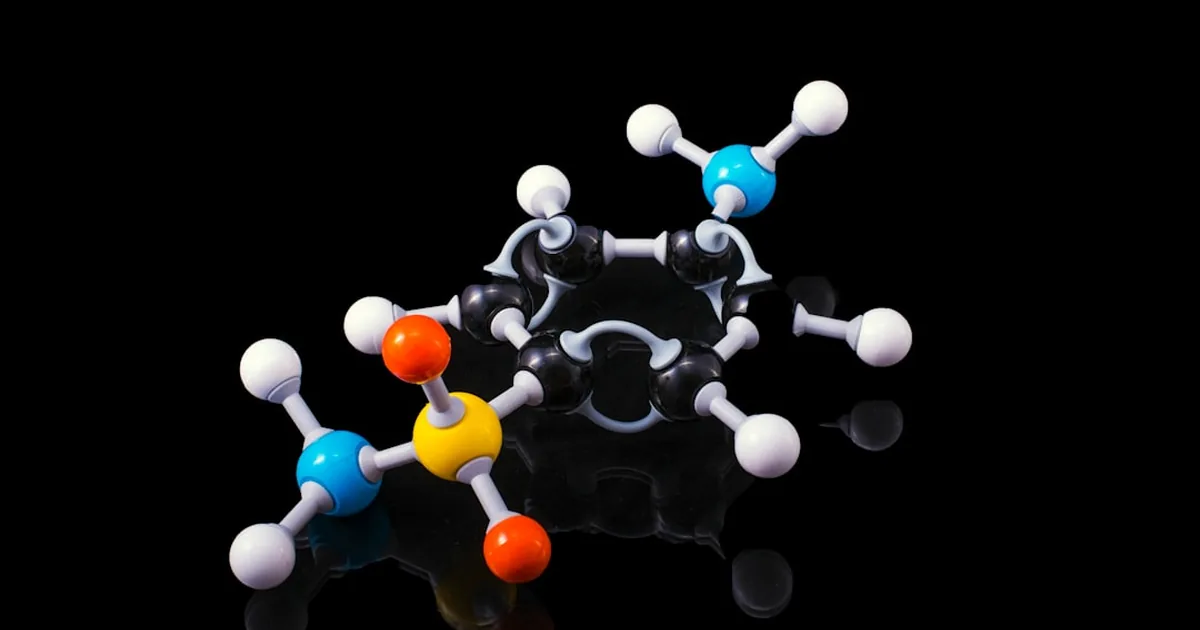
A label can claim a vial holds a specific peptide, but proving it takes more than weighing the molecule. Here's how mass spectrometry reads a peptide's sequence — from ionization to fragment ladders to database matching — and why researchers trust convergence over any single number.
Peptide Education
The endotoxin line on a certificate of analysis is one of the most misread numbers in research peptides. It is not a purity score and not a sterility check. Here is what the LAL test actually measures, how a result becomes a number in Endotoxin Units, why a clean-looking batch can still fail, and where the method is heading with recombinant Factor C.

Research & Science
Growth hormone-releasing hormone is 44 amino acids long, yet researchers found its first 29 carry almost all the signal. Here's a plain-English look at sermorelin, the GHRH(1-29) fragment: its sequence, how it engages its receptor, why it disappears from plasma so quickly, and how that weakness launched a whole family of redesigned analogues.

Research & Science
GHRP-6 and GHRP-2 look almost identical on paper — both are six-residue ghrelin-receptor peptides built on the same back four amino acids. The whole structural story sits in just two swapped positions, and that swap is enough to change the sequence, the molecular formula, the mass, and the catalog identifiers. Here is the side-by-side, for research context only.
Research & Science
Most research peptides are a single molecule with one sequence. Cerebrolysin is the opposite: a porcine-brain hydrolysate blending free amino acids with hundreds of low-molecular-weight peptides. Here's what's actually in the vial, why molecular size dominates its chemistry, and how analysts fingerprint a batch.
Research & Science
DSIP — the delta sleep-inducing peptide — carries a name that promises more than the science has delivered. Its nine-amino-acid sequence is the one settled fact; the receptor, the gene, and the mechanism are all still open questions. This is a plain-language look at what researchers actually know about the molecule's structure.
Research & Science
Thymosin beta-4 is one of the most abundant peptides inside our cells, yet it rarely gets named. This plain-language look explains what the 43-residue molecule is, how it buffers the cell's pool of actin building blocks, what the famous LKKTET motif does, and why its lack of a fixed shape makes it a model system for researchers.
Research & Science
Thymosin alpha-1 was the first peptide ever isolated and sequenced from thymic tissue. This plain-language explainer walks through its 28-amino-acid sequence, its flexible three-dimensional shape, how the body carves it out of a larger protein, and why immunology researchers keep returning to such a small molecule — all framed strictly around what laboratory studies have shown.
Research & Science
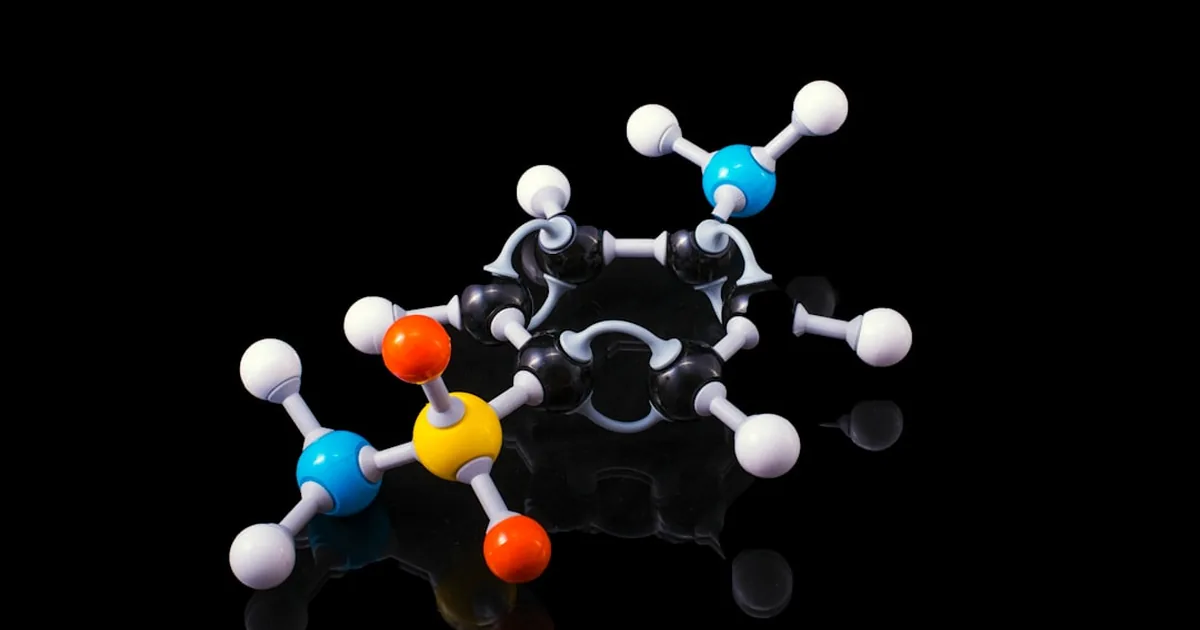
BPC-157 is one of the shortest peptides worth naming - just fifteen amino acids in a single chain. This research-focused explainer walks through the BPC-157 chemical structure residue by residue: the sequence, the molecular formula, the registry identifiers, and the proline-rich motif that gives the molecule its unusual character.
Research & Science
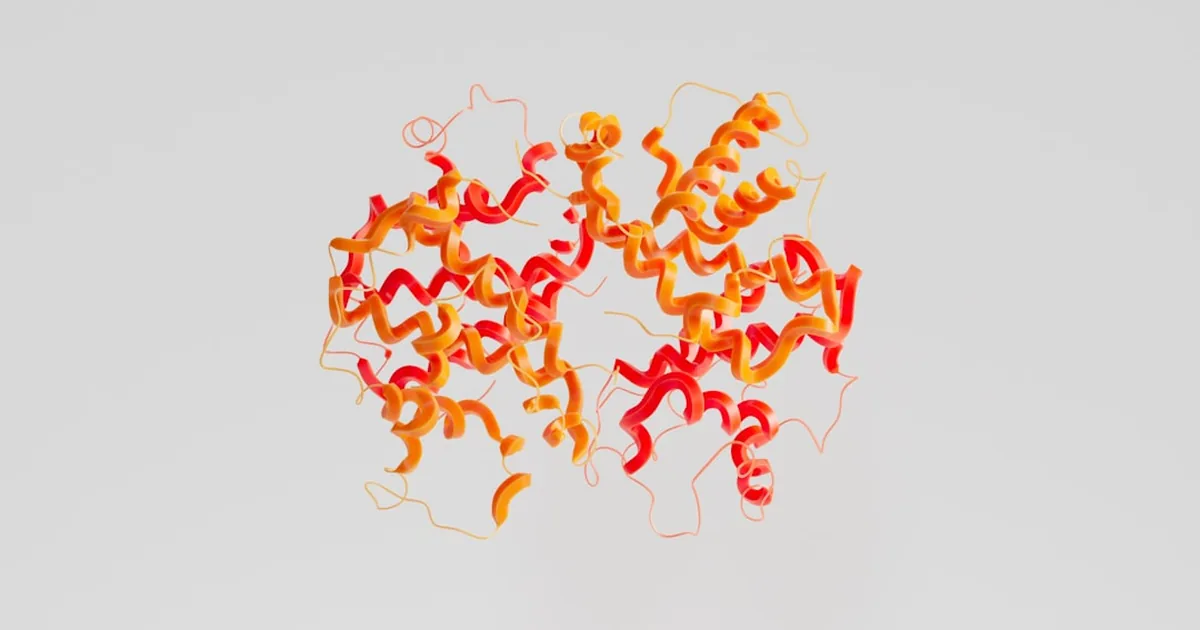
Two peptides can share almost the same length yet behave nothing alike: one is a shape-shifter, the other a rigid key. This explainer walks through what 'floppy' (intrinsically disordered) and 'rigid' (helical) mean in peptide structure, why the difference comes down to a free-energy landscape, and how it shows up in real research peptides like thymosin beta-4 and retatrutide.
Research & Science
Some engineered peptides clear the blood in minutes; others linger for a week. The difference often comes down to one design feature — a fatty-acid tail that lets the molecule hitchhike on albumin. Here is how that trick works, why chain length matters, and how it plays out across the GLP-1 and insulin family.
Research & Science
LL-37 is the only cathelicidin antimicrobial peptide humans produce — a 37-amino-acid host-defense peptide that targets bacterial membranes, modulates the immune response, and serves as a template for engineered antimicrobial analogs studied in laboratory research.
Research & Science
Native hormones each bind one main receptor — yet investigational peptides such as tirzepatide hit two, and retatrutide hits three. We unpack how one chain of amino acids can engage several receptors at once, what tunes the per-receptor preference, and why this design space matters in research.

Peptide Education
Two peptide vials can look identical on the bench and behave completely differently in solvent. Dissolution is sequence chemistry, not a fixed recipe. This guide walks through the molecular logic of peptide solubility, when pure water suffices, when to reach for DMSO or fluorinated alcohols, how the isoelectric point governs precipitation, and the common laboratory mistakes that spoil a solubilization attempt.
Research & Science
Tesamorelin is a near-copy of the 44-amino-acid GHRH signal that the hypothalamus sends to the pituitary, modified at one end so it survives longer than the native peptide. Researchers find it interesting because it offers a clean way to probe what happens when the GHRH receptor receives a more durable signal — and what that means for the downstream growth-hormone and IGF-1 cascade.
Research & Science
Most research peptides matter because of the receptor on the other end. This plain-language map walks the GPCR superfamily — Class A short-peptide receptors, the Class B secretin family of long peptide hormones, and the incretin cluster that anchors current metabolic research — and shows how the structural map shapes what gets studied next.
Peptide Education
When a peptide paper says 'Western blot confirmed' or '98% purity by HPLC,' what is the methods section really pointing to? This article walks through the standard in-vitro toolkit researchers use on peptides — from identity and purity testing to cell-culture readouts to gene-expression assays — and shows how to read those sections without overclaiming what they prove.
Research & Science
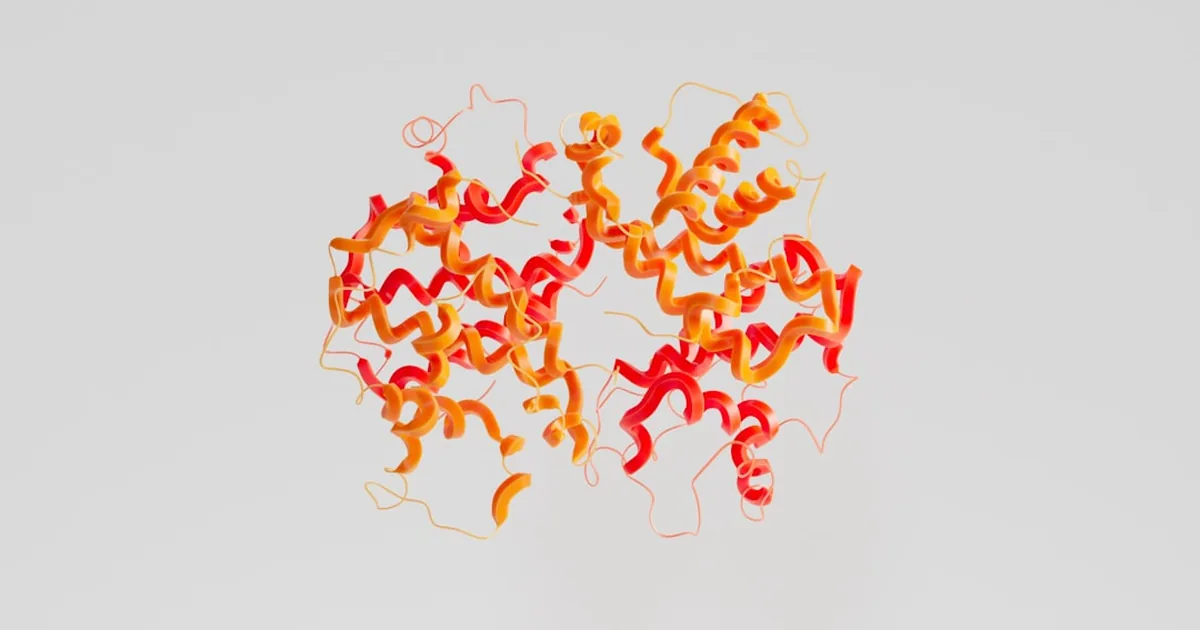
AOD-9604 is a synthetic 16-amino-acid analogue of the C-terminal tail of human growth hormone. It is interesting to researchers because its published in-vitro profile diverges from full-length hGH in informative ways — without engaging the canonical growth-hormone receptor — and yet it has never been approved as a therapeutic anywhere in the world.
Peptide Education
A peptide label that says 99% purity does not promise an absolute mass fraction or guarantee identity. It reports one number from one method — an HPLC area percent measured at a fixed wavelength. Here is what the figure is actually measuring, what the missing 1-5% typically contains, and how to read the rest of the certificate of analysis so the percentage means what you think it means.
Research & Science
PT-141 is constantly described as 'a melanocortin receptor agonist,' but the phrase itself rarely gets unpacked. This explainer walks through the five-member receptor family, the cyclic heptapeptide chemistry behind bremelanotide, where the binding pocket sits, and how MC4R and its siblings actually signal once activated. Strictly receptor pharmacology, framed for research-grade context.
Research & Science
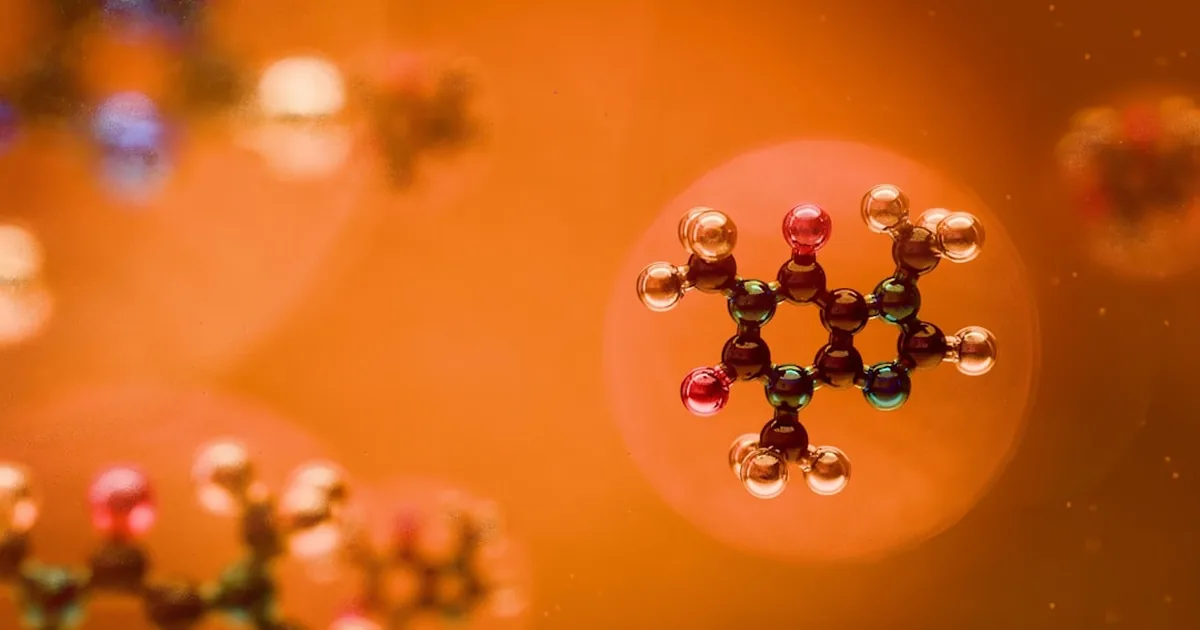
Most molecules that enter a cell scatter everywhere. SS-31, also called elamipretide, was designed to do the opposite — to home in on one structure inside the cell. This research-use-only explainer walks through what 'mitochondria-targeted' really means, the four amino acids that make up the peptide, how it docks onto the inner membrane, and what the laboratory literature actually studies.
Peptide Education
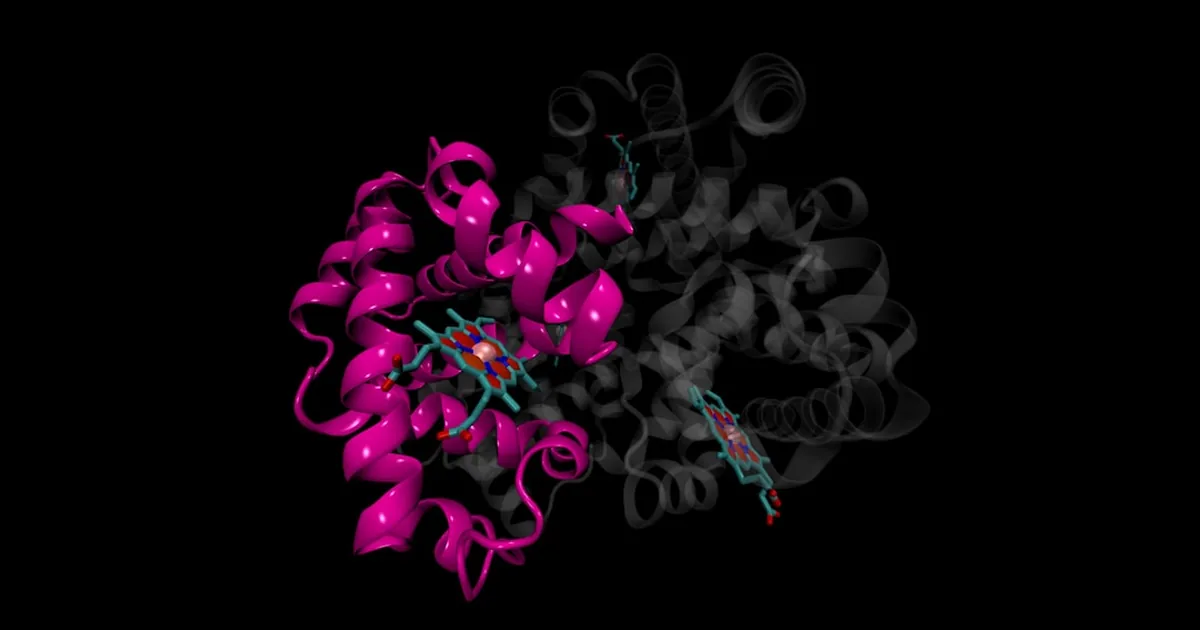
A practical, citation-backed guide to keeping research peptides chemically intact: why the lyophilized form is the stable form, the temperature targets that show up in the peer-reviewed literature, how freeze-thaw exposure damages material, and the bench-side handling habits that decide whether a vial is still the same molecule a year after it arrives.
Legal & Compliance
Two vials with the same peptide name and the same listed purity can still belong to two completely different regulatory worlds. Research-grade and pharmacy-grade describe parallel supply chains with different rules about what gets tested, what gets documented, and who is accountable for what — and the gap shows up in the impurity profile, not the molecular weight.
Research & Science
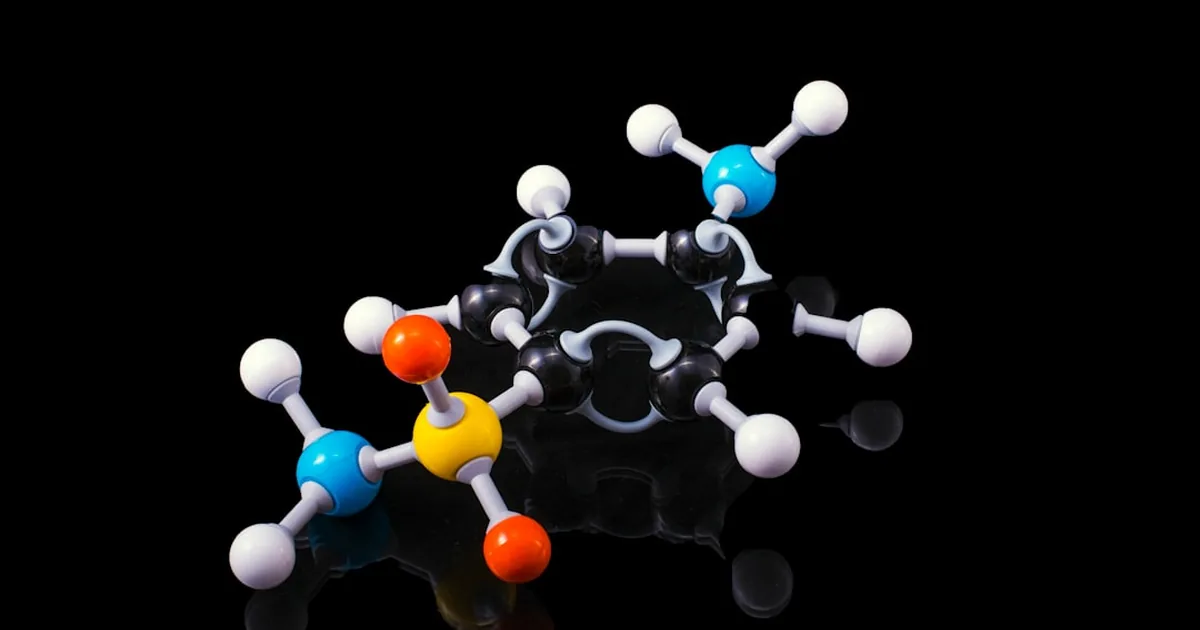
Ipamorelin is a five-amino-acid synthetic peptide originally built at Novo Nordisk in the late 1990s. It binds the same receptor as ghrelin — the so-called hunger hormone — and prompts the pituitary to release growth hormone. What made researchers pay attention was a different detail: of the early ghrelin-receptor agonists, ipamorelin was the first that released GH cleanly, without simultaneously raising cortisol or ACTH. This article walks through what the molecule is, how its receptor works, and where the compound sits in the research-peptide landscape today.
Peptide Education
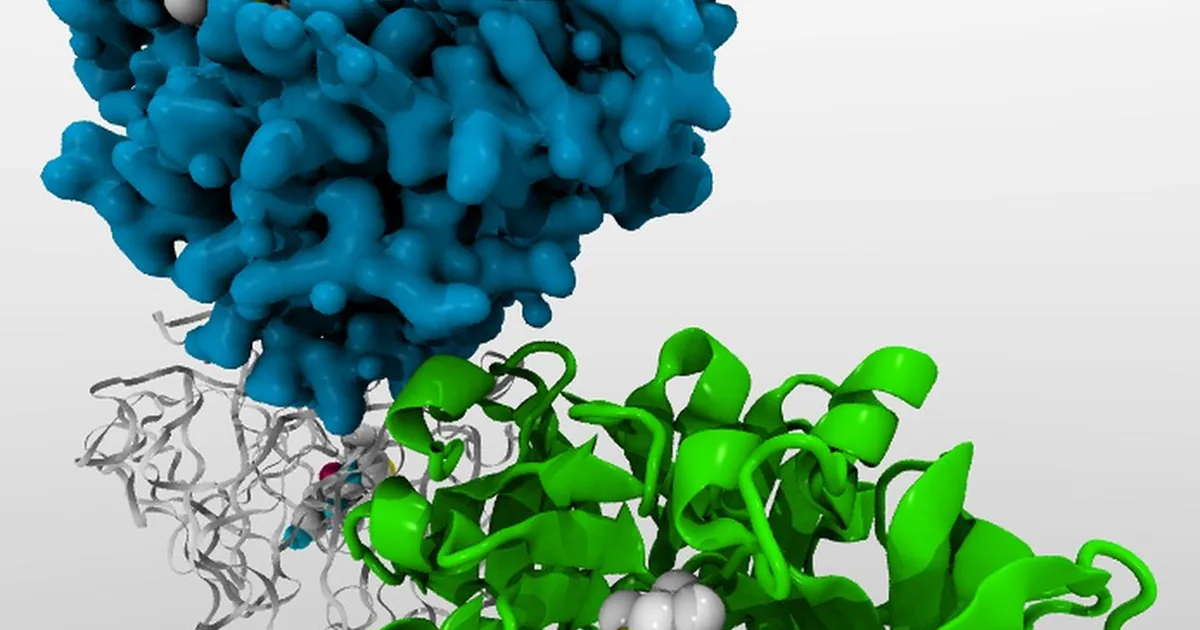
Open a vial of research-grade peptide and you find a small white cake instead of a liquid. That choice of physical form isn't arbitrary. This explainer walks through what lyophilization is, the three process stages, why dry solid form preserves the molecule better than solution, what the powder is actually made of, and how to read what you see in the vial when it arrives.
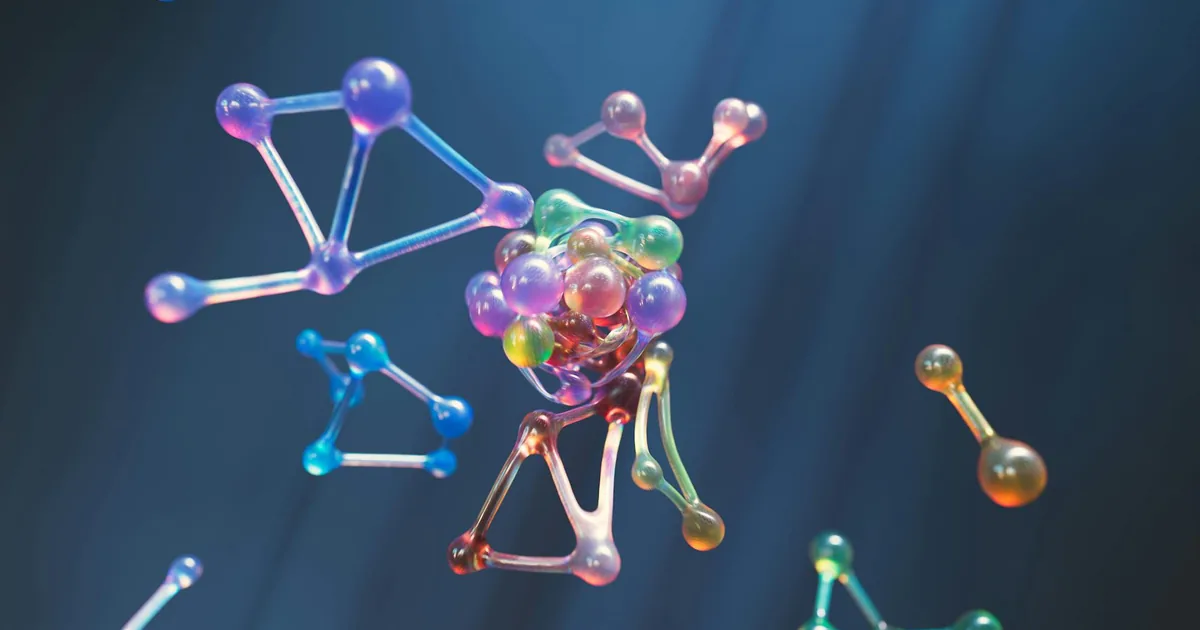
Research & Science
CJC-1295 with DAC and CJC-1295 without DAC — also called Modified GRF (1-29) — are often discussed as if they were the same compound. They are not. They share an identical 29-residue backbone with four engineered amino-acid substitutions, but the DAC version carries one extra C-terminal residue that covalently tethers the peptide to plasma albumin. That single chemical addition extends the half-life from roughly 30 minutes to several days in published human research. Here's how the chemistry works and why it matters.
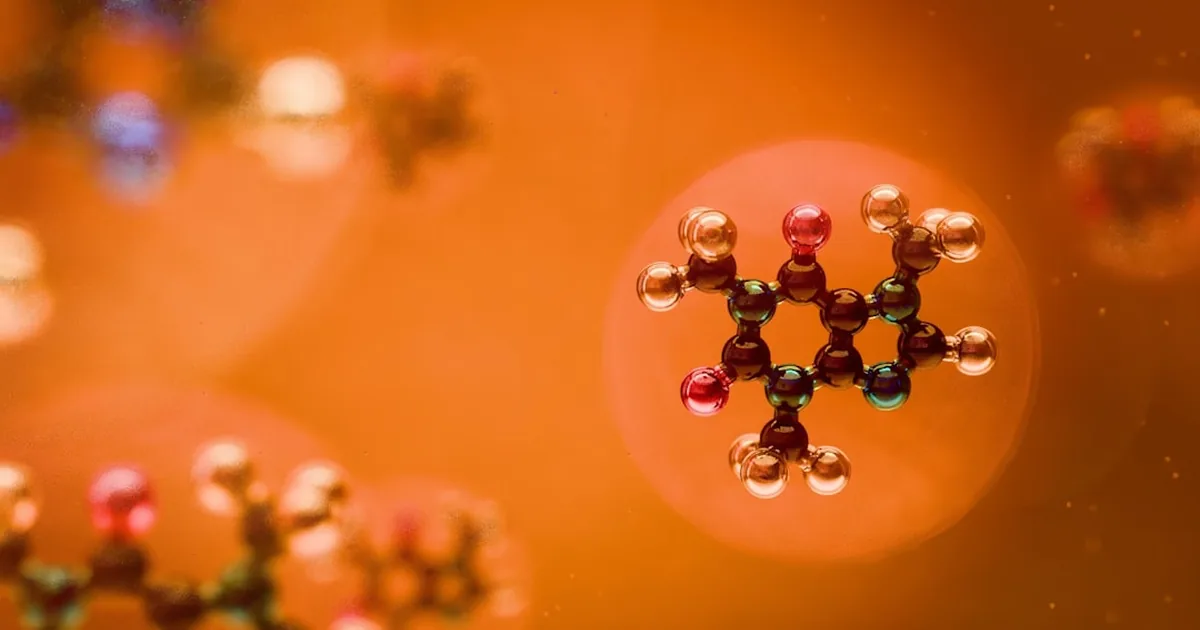
Research & Science
Selank is a seven-amino-acid peptide that started life as a redesign of tuftsin, a tiny piece of human immunoglobulin G. Russian biochemists added a Pro-Gly-Pro tail to keep the molecule stable, and the result has been cited in cell-culture, gene-expression, and rodent behavioural work for nearly forty years. We walk through what the published research actually shows — and what it still hasn't pinned down.
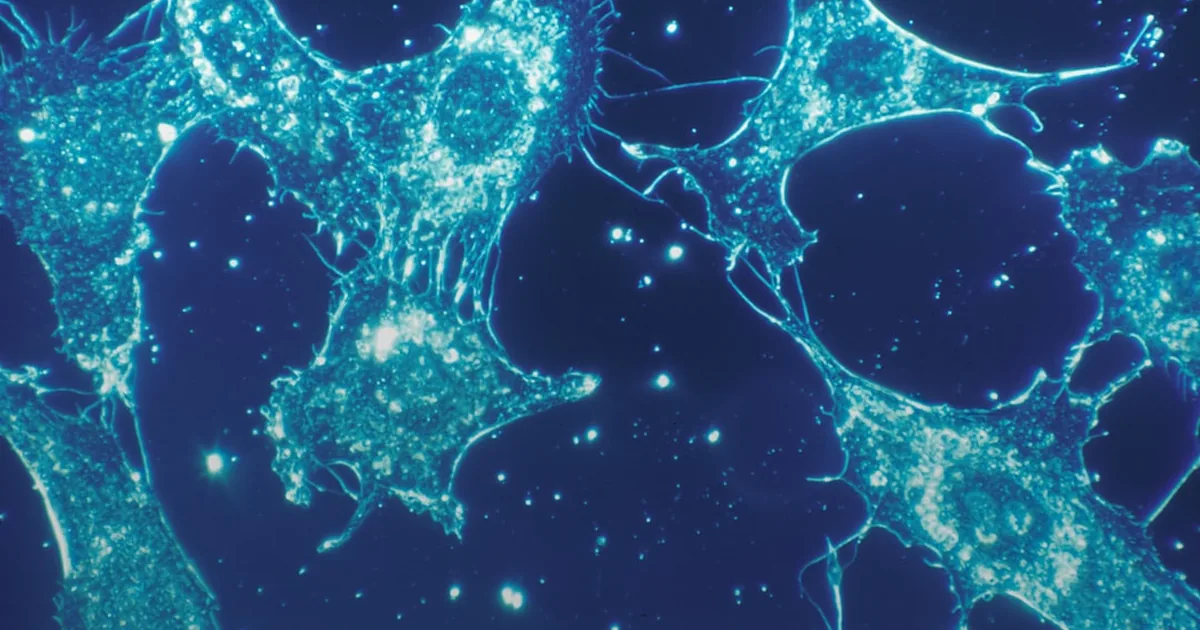
Research & Science
Epitalon is a small tetrapeptide — Ala-Glu-Asp-Gly — that became one of the most-cited cellular-research probes for telomerase activity. This article walks through what the in-vitro work actually measured, where the mechanism splits between normal and cancer cells, and what the current literature does and does not support.
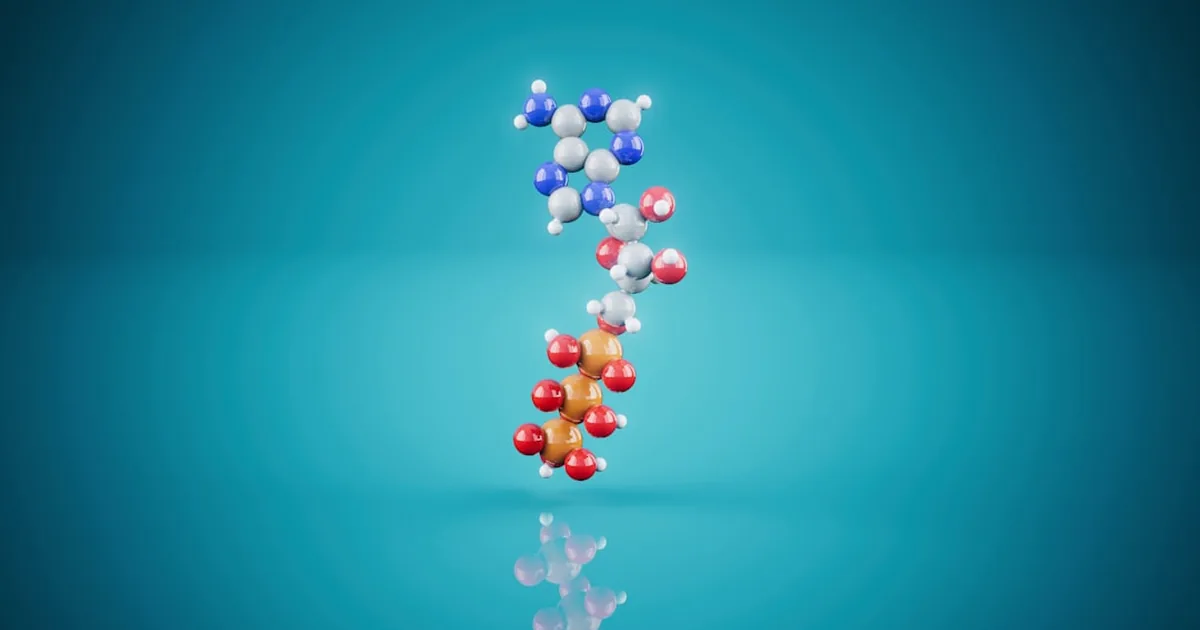
Peptide Education
If you have ever wondered how a vial of a research-grade peptide actually comes into being, this is a plain-language tour: anchored amino acids on tiny beads, a four-step coupling round repeated until the chain is finished, then cleavage, HPLC purification, and a certificate of analysis that maps neatly back to every step in the process.
Research & Science
Most signaling peptides are encoded by nuclear DNA. MOTS-c is different: a 16-amino-acid sequence written into the mitochondrial genome itself. Here is what cell-culture and animal-model research has uncovered about how it works, why researchers call it an exercise mimetic, and where the science currently stands.
Buying Guides
The phrase "research-grade peptide" sounds authoritative, but it describes a chemical sales category — not a verified quality benchmark. This guide explains the grade framework, certificate of analysis essentials, purity standards, and what the FDA's "research use only" label actually means for buyers.
Research & Science
TB-500 is a synthetic N-acetylated heptapeptide with the sequence Ac-Leu-Lys-Lys-Thr-Glu-Thr-Gln (Ac-LKKTETQ), corresponding to residues 17-23 of the parent protein thymosin β4. The fragment is the actin-binding stretch of the parent and is widely used in cell-culture work as a discrete reagent. This research-use-only reference covers its primary chemistry, the relationship to thymosin β4, the actin-sequestering mechanism, the structural rationale for the N-terminal acetylation, the in-vitro endpoints commonly reported across the literature, the in-vitro metabolism profile, and the current regulatory framing.

Legal & Compliance
FDA's Pharmacy Compounding Advisory Committee will meet July 23-24, 2026 to discuss whether seven research peptides — BPC-157, KPV, TB-500, MOTS-c, Emideltide, Semax, and Epitalon — should be added to the section 503A Bulks List. This research-use-only reference explains what the 503A Bulks List actually is, what's on the July 2026 agenda, the three nomination categories used during evaluation, the PCAC's advisory role versus FDA's final-decision authority, and what the outcomes mean — and don't mean — for research-grade peptide supply.
Research & Science
Tirzepatide (LY3298176, marketed as Mounjaro and Zepbound) is a synthetic 39-amino-acid peptide engineered from a glucose-dependent insulinotropic polypeptide backbone. It is a dual agonist at the GIP and GLP-1 receptors. This research-use-only reference covers its primary structure, the two engineered Aib residues that give it protease resistance and tuned receptor activity, the cryo-EM evidence for how a single continuous α-helix engages both Class B GPCRs in distinct conformations, the imbalanced potency profile and biased agonism at GLP-1R, and the regulatory framing for laboratories ordering research-grade material.
Research & Science
Retatrutide (LY3437943) is a synthetic 39-amino-acid peptide engineered from a glucose-dependent insulinotropic polypeptide backbone. It is a triple agonist at the GLP-1, GIP, and glucagon receptors. This research-use-only reference covers its primary structure, the three engineered non-coded residues that give it protease resistance and receptor-tuned activity, the cryo-EM evidence for how a single continuous α-helix engages three different Class B GPCRs, the comparative receptor-level potency profile, and the current regulatory picture.
Research & Science
BPC-157 is a synthetic 15-amino-acid pentadecapeptide derived from a fragment of a protein found in human gastric juice. Catalogued as PubChem CID 9941957 with molecular formula C62H98N16O22, the compound is widely used in cell-culture work because of its unusual proteolytic stability. This research-use-only reference summarizes the primary sequence, the structural rationale for its 24-hour stability in gastric juice, the in-vitro endpoints reported across the literature, the two signaling pathways characterized in endothelial cell models, and the current regulatory status.
Peptide Education
Peptides have become a major topic in bodybuilding for muscle growth and recovery. Here’s a clear breakdown of what’s being used and why it matters.

Research & Science
Retatrutide is one of the most talked-about experimental peptides in weight loss research. Its triple-action mechanism could redefine how obesity is treated.

Peptide research has taken some interesting turns in 2026, with certain compounds pulling ahead of the pack in labs around the world. From regeneration and metabolism to cognition and cellular health, here's a look at the ten peptides researchers can't stop talking about this year, and what makes each one worth a closer look.
Peptide Education
Peptides occupy a nuanced space in U.S. law — legal to buy and possess for research, but tightly regulated when it comes to how they're marketed and used. Understanding that distinction is what separates a compliant purchase from a risky one. This guide breaks down exactly where the legal lines are drawn in 2026.